





Calaveras: the Meaning Behind Sugar Skulls
Calaveras are often one of the first Mexican symbols people encounter. Brightly colored, decorative, instantly recognizable. Outside Mexico, they are usually called sugar skulls and closely associated with Día de los Muertos.
But calaveras are not decoration first. They are language. To understand calaveras is to understand how Mexican culture approaches memory, humor, death, and continuity not as opposites, but as things that coexist.

What does “calavera” actually mean?
The word calavera simply means “skull.” But in Mexican culture, it carries a much broader meaning.
Calaveras appear in:
-
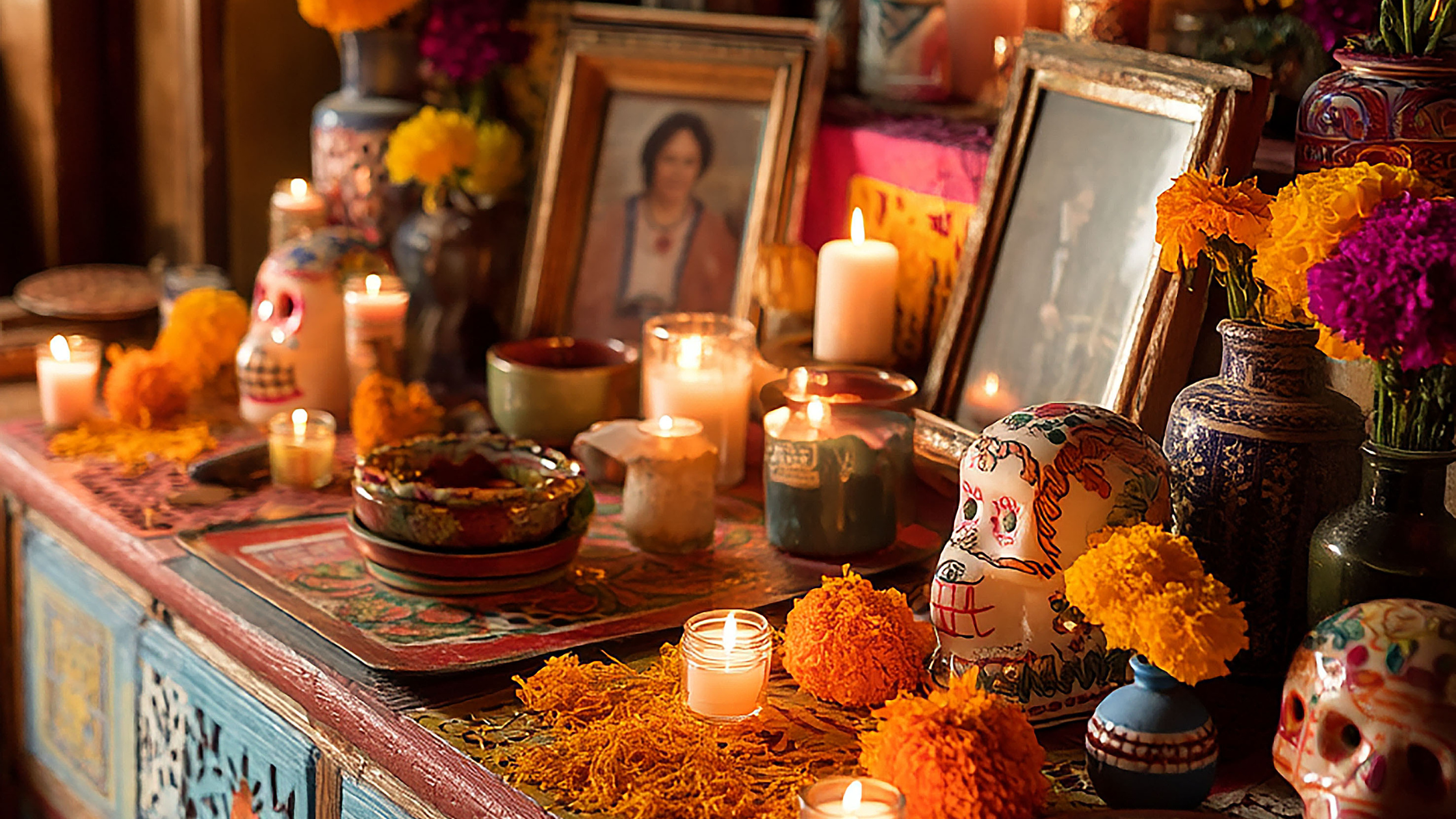
Día de los Muertos offerings
-
Satirical poems known as calaveras literarias
-
Prints and illustrations dating back centuries
-
Contemporary art, sculpture, and design
Sugar skulls are one expression of this tradition, usually made from sugar or clay and decorated by hand. They are often personalized with names, turning the skull into a symbol of remembrance rather than anonymity. This personalization is key. Calaveras are not generic symbols of death. They are specific. Named. Individual.
Memory, not morbidity
One of the most common misunderstandings about calaveras is that they represent a fascination with death. In reality, they represent a refusal to fear it.
Calaveras exist within a cultural framework that treats death as part of life, not its opposite. They are playful, colorful, and often humorous because they are meant to soften distance, not dramatize loss.
This is why calaveras smile. Why they are decorated. Why they are offered food, flowers, and names. They are not reminders of endings, but acknowledgments of continuity. Remembering someone does not require silence. It requires presence.

Why are calaveras colorful?
Color in Mexican culture is rarely accidental. In the case of calaveras, color serves a purpose beyond aesthetics. Bright colors signal celebration. They reflect life, personality, and individuality. Each skull becomes a visual expression of the person it represents, not a symbol of absence.
This use of color also resists the idea that remembrance must be somber. Calaveras acknowledge grief without letting it dominate the experience. Joy and memory are not opposites here. They coexist.
From tradition to contemporary art
Over time, calaveras have moved beyond altars into broader artistic expression. Artists like José Guadalupe Posada helped popularize skull imagery through political satire, using calaveras to comment on society, power, and equality.
In contemporary Mexico, calaveras continue to appear in murals, fine art, fashion, and sculpture. Not as seasonal motifs, but as enduring symbols of reflection and identity. Their presence evolves, but their meaning remains intact.
Calaveras s a living symbol
As calaveras continue to move through contemporary art and design, their role remains the same: carrying meaning forward rather than freezing it in time.
Our skull designs come from that understanding. They exist not to replicate tradition, but to engage with it as something alive. Each piece is built around the idea that calaveras are not symbols to be archived or diluted, but interpreted thoughtfully within modern contexts.
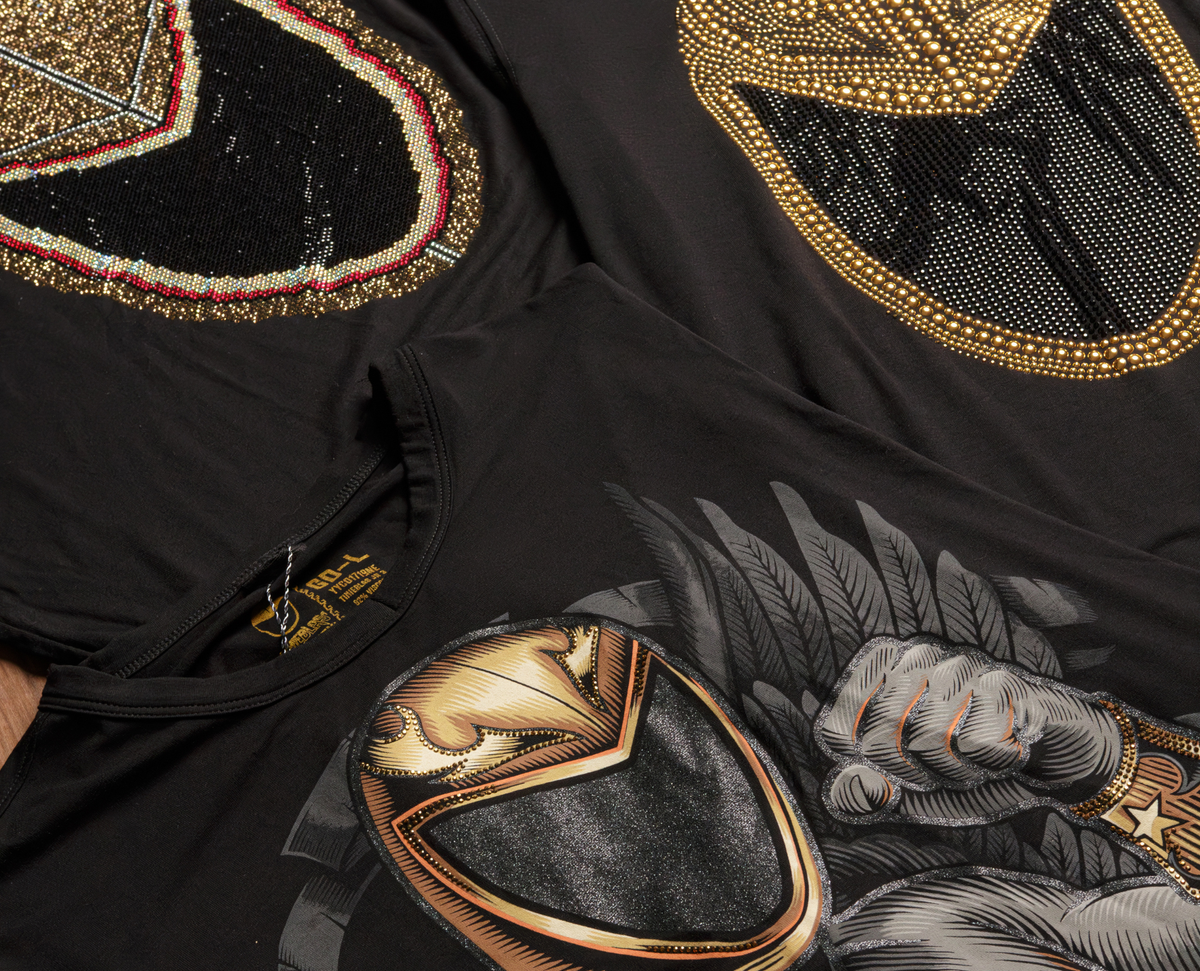
Our Calavera collection explores this balance. The designs are expressive, detailed, and intentional, reflecting the dual nature of calaveras as both reflective and celebratory. They are meant to be worn not as costume or seasonal statement, but as an everyday connection to a visual language that many people recognize as their own.
For our customers, these designs often resonate on a personal level. Some see memory in them. Others see pride, resilience, or humor. What they share is a familiarity with the symbol, and an appreciation for seeing it treated with care rather than abstraction.
This collection exists to give calaveras space in daily life, where meaning does not disappear just because it becomes wearable. It is a continuation of the same story calaveras have always told, carried forward through form, craft, and presence.